Renting a Condo in Bangkok: Prices, Process, and Pitfalls (2026)
What a Bangkok condo really costs in 2026, neighborhood by neighborhood, plus the rental process, deposit rules, and the pitfalls that catch first-time expats.
Renting a condo in Bangkok is fast, cheap by Western standards, and full of small traps that cost real money if you do not know them. This guide covers what a condo actually costs in 2026 by neighborhood, how the rental process works from viewing to TM30, and the pitfalls that catch first-time expats: inflated electricity rates, deposit games, and leases signed before seeing the room at night.
The headline numbers: a modern furnished one-bedroom near a BTS or MRT station runs 12,000 to 25,000 baht per month in mid-range areas, 25,000 to 50,000 baht in the central business districts. Move-in costs are two months' deposit plus first month's rent. Everything below unpacks how to spend those numbers well.
What your budget gets, area by area
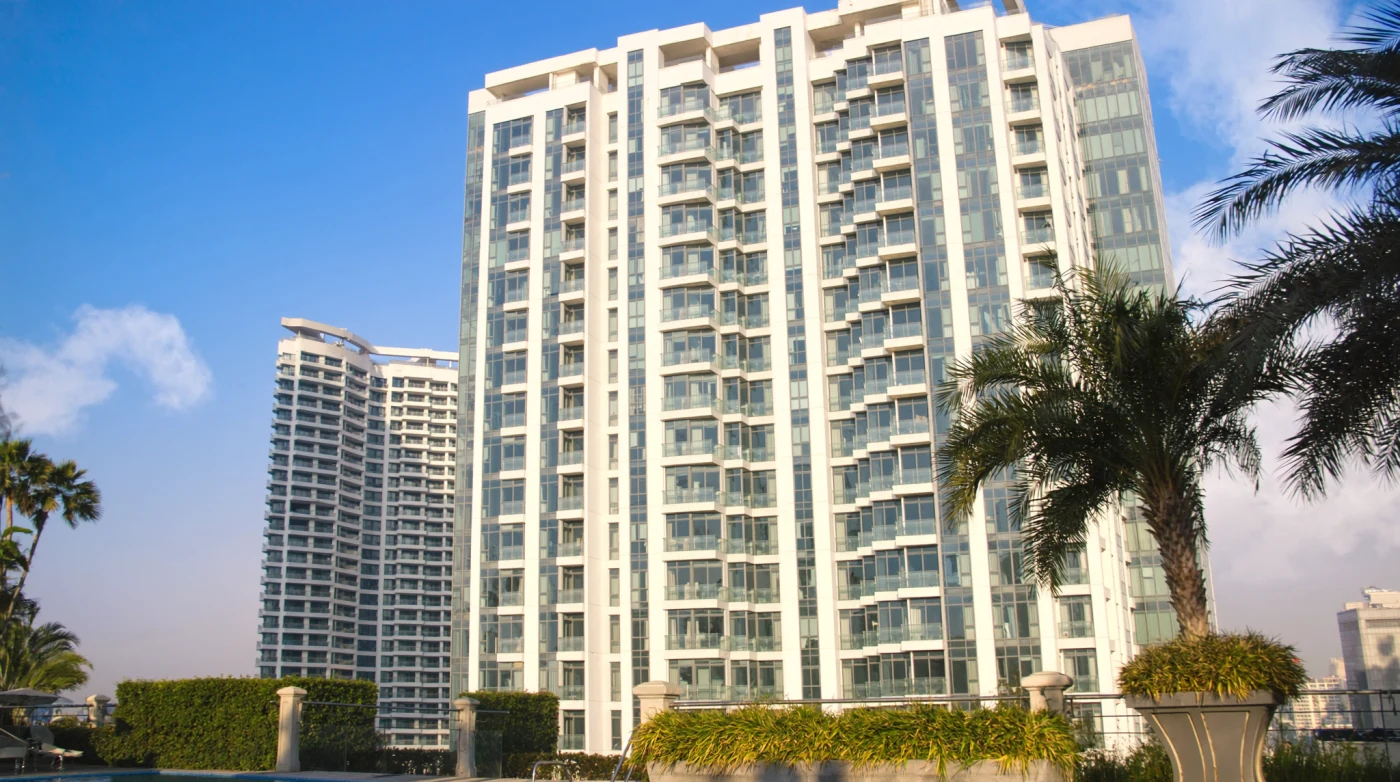
Budget moves the map more than it moves the finish. The same money buys a bigger room the further you sit from an interchange station.
Bangkok pricing is a function of one variable more than any other: distance to a train station. Same building quality, five minutes' walk versus fifteen, can differ by 30 percent.
Budget tier, 8,000 to 15,000 baht. On Nut, Phra Khanong, Ratchada, and Ladprao deliver modern studios and small one-bedrooms with pool and gym at prices central Bangkok cannot touch. On Nut is the classic expat starter area: 10 minutes on the BTS to the center, big supermarkets, and dozens of newer buildings.
Mid tier, 15,000 to 30,000 baht. Ekkamai, Ari, Sathorn fringes, and the quieter sois of Sukhumvit buy you bigger rooms, better buildings, and neighborhoods with a life of their own. Ari in particular trades nightlife for cafes and calm and is where many long-stayers settle.
Central tier, 25,000 to 50,000+ baht. Phrom Phong, Thonglor, Asoke, Silom, and Riverside. You pay for walk-everywhere convenience, luxury building stock, and international restaurants downstairs. Thonglor is the lifestyle premium; Asoke and Silom are the commuter kings at the BTS/MRT interchanges.
Full neighborhood breakdown in our where to stay in Bangkok guide.
Condo versus apartment: the distinction that matters
In Bangkok these are legally different things. A condo has individually owned units; you rent from a private owner, quality varies unit by unit, and electricity is billed at the government rate. An apartment building has one owner for everything; management is consistent, but many apartment buildings charge marked-up flat electricity rates of 7 to 8 baht per unit versus the roughly 4 to 5 baht government rate. With Bangkok aircon use, that difference alone can be 1,000 to 2,000 baht per month. Always ask the electricity rate before signing anything; it is the single most reliable filter for a fair landlord.
The rental process, start to finish
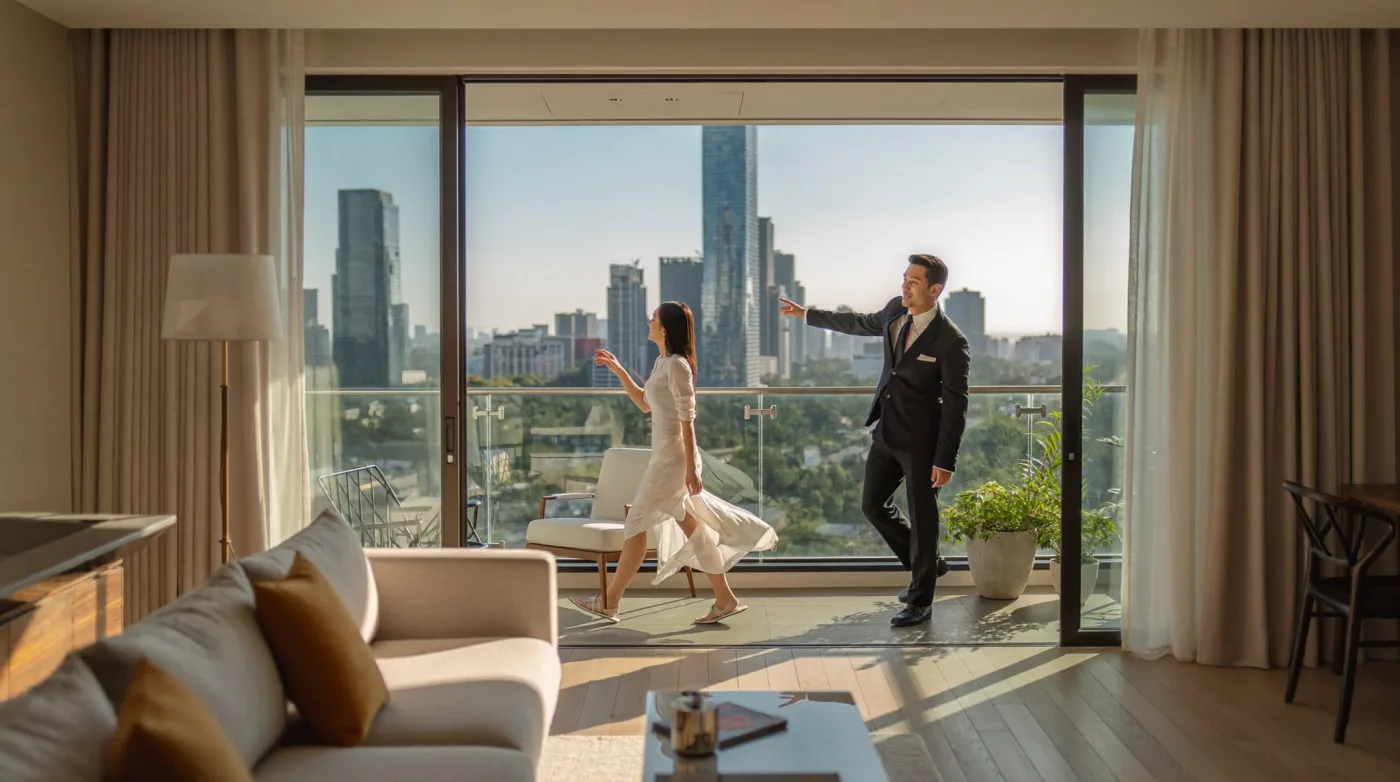
Most units come furnished. Walk the room once with the aircon running before you talk numbers.
Finding. Facebook Marketplace and Facebook rental groups are where the real Bangkok rental market lives, alongside agent platforms and the classifieds sites. Agents are free for tenants; the landlord pays the commission, so there is no reason not to use one for the central areas.
Viewing. View at least three units, and view your favorite twice: once in daytime, once at night, because sound is Bangkok's hidden variable. Check water pressure, aircon age, mattress quality, and mobile signal in the room. Ask the electricity rate and the internet options.
Negotiating. Rent is negotiable, especially on units listed more than a month. Standard asks that often succeed: 1,000 to 2,000 baht off for a one-year lease, a second aircon cleaning per year, or a new mattress. Long-stay discounts beat short-stay flexibility; a one-year lease typically prices 20 to 40 percent below monthly serviced rates.
Signing. Standard terms: one-year lease, two months' deposit, first month upfront, 30 days' notice to end. Read the early-termination clause; most leases forfeit the deposit if you leave before the term. Photograph everything, including meter readings, on handover day.
After move-in. The TM30 residence notification must be filed with immigration; good landlords do it automatically, but confirm, because you need the receipt for visa extensions. Then sort your Thai SIM and internet and learn your commute options with the BTS and MRT guide.
The pitfalls that cost money
Two months deposit plus one month advance is the standard opening. Get every deduction rule written down.
Inflated electricity. Covered above, and worth repeating: never sign at 7 to 8 baht per unit without pricing that into your comparison.
Deposit erosion. Some landlords treat deposits as income. Your defense is documentation: timestamped photos at move-in, condition notes appended to the lease, and meter readings. Disputes drop sharply when the landlord knows evidence exists.
Booking sight unseen. Photos in Bangkok listings are aspirational. Book a hotel or monthly serviced room for your first two weeks and view in person. Two weeks of flexibility is cheaper than eleven months in the wrong room.
Ignoring the walk. A condo 15 minutes' walk from the BTS looks fine on a map and feels different in April heat or October rain. Walk the route at midday before signing.
The gym-and-pool illusion. Facilities photos sell buildings, but a crowded 25-meter pool and three treadmills serve 400 units. If facilities matter, visit at 6pm when they are actually in use.
Working from home versus a desk nearby
Most Bangkok condos are compact; studios run 22 to 35 square meters, and working every day from the bed-adjacent table wears thin fast. Many long-stayers rent slightly cheaper and put the difference into a coworking membership near home. Our Bangkok coworking guide maps the options by neighborhood, from 300-baht day passes to premium floors, and pairing a budget condo in On Nut or Ari with a desk nearby often beats paying central-Sukhumvit rent for a bigger room.
Where to go next
Start with the where to stay in Bangkok guide to shortlist areas, then explore each neighborhood's venues on BGM before committing: On Nut, Ari, Phrom Phong, Sathorn. Browse all property services on BGM → for agents and relocation help, and use the BTS and MRT guide to sanity-check any commute before you sign.
FAQ
How much does it cost to rent a condo in Bangkok? In 2026, a modern furnished studio or one-bedroom condo near a BTS or MRT station costs roughly 12,000 to 25,000 baht per month in mid-range areas like On Nut, Phra Khanong, or Ratchada. Central Sukhumvit, Silom, and Sathorn run 25,000 to 50,000 baht for one bedroom. Older Thai-style apartments away from the train start under 8,000 baht.
What deposit do Bangkok landlords require? The standard is two months' security deposit plus the first month's rent upfront, so budget three months of rent to move in. Deposits are refundable at the end of the lease minus documented damage and outstanding utility bills. Photograph the room and meter readings on day one, and get the deposit terms written into the lease.
Can foreigners rent a condo in Bangkok without a work permit? Yes. Renting requires only a passport; a work permit is not needed for a standard lease. Landlords typically want a copy of your passport photo page and entry stamp or visa. The landlord or you must file a TM30 residence notification with immigration after move-in, which you will also need for visa extensions.
Is it cheaper to book monthly or sign a one-year lease in Bangkok? A one-year lease is significantly cheaper, often 20 to 40 percent below monthly serviced rates for the same room. Six-month leases usually price slightly above yearly. Month-to-month is possible in serviced apartments and via booking platforms but carries a premium. If you are staying three months or more, a fixed lease nearly always wins.
What extra costs come on top of Bangkok condo rent? Electricity is the big one: expect 1,500 to 4,000 baht per month depending on aircon use, billed at the government rate of roughly 4 to 5 baht per unit in condos. Watch for older apartments charging inflated flat rates of 7 to 8 baht per unit. Water is cheap, usually a few hundred baht. Internet runs 500 to 800 baht per month, and some buildings add a small common fee.
BangkokGotMe Editorial follows our editorial standards: guidance reflects on-the-ground research and reader feedback, we cite typical market ranges rather than guarantees, and we never accept payment for recommendations.