Best Japanese Restaurants in Bangkok: 14 Picks Across Omakase, Yakiniku, Sushi, Teppanyaki, and Ramen
From Sukhumvit 39 omakase counters to Ekkamai yakiniku and Asok ramen, here are the 14 best Japanese restaurants in Bangkok worth crossing the city for.
Walk down Sukhumvit 39 on a Tuesday night and the air smells of binchotan smoke and ponzu. The best Japanese restaurants in Bangkok cluster along these side sois, where a single block can carry a 14-seat omakase counter, a yakiniku room with A5 wagyu on charcoal, and a ramen shop that pulls a queue by 7 p.m. This guide walks you through 14 places worth the trip, grouped by what you actually want to eat tonight: omakase, yakiniku, sushi, teppanyaki, or ramen.
Bangkok's Japanese scene runs deeper than any other Asian capital outside Tokyo. More than 6,000 Japanese restaurants operate across the city, and the density on Sukhumvit between Soi 31 and Soi 55 rivals neighborhoods in Osaka. Pick by craving, not by ranking.
Yakiniku and charcoal grill
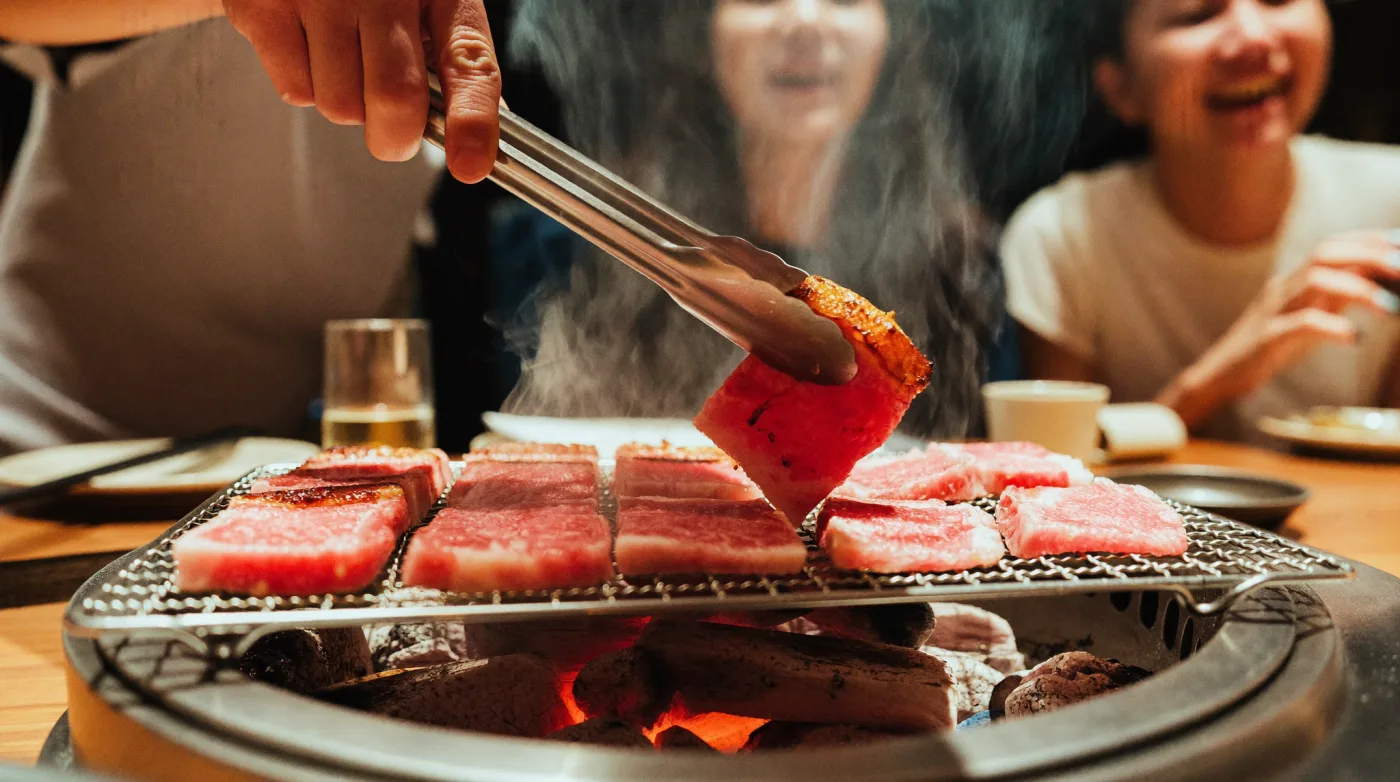
Yakiniku rooms in Bangkok run real binchotan charcoal, which is what gives the edge char.
Niku Sho Sukhumvit 31
Niku Sho sits on a quieter stretch of Sukhumvit Soi 31, a short walk from Phrom Phong BTS. The room is built around a charcoal grill at each table, with a butcher's-counter approach to the meat: kuroge wagyu cuts arrive sliced to order, with the marbling grade visible on the wood board before it hits the grate. Order the harami and the chuck flap together for the contrast between mineral and buttery. Service comes in a soft Japanese register, with staff trimming and turning the meat for you on a first visit. Built for a slow two-hour dinner with a cold beer or a junmai.
Teppen Sathorn
Teppen runs two Bangkok branches, and the Sathorn flagship is where most of the regulars eat. The room sits below street level on Soi Convent, low ceilings, dark wood, and a long counter that wraps the open grill. Lead with the tongue set, then move to the misuji and zabuton. The set menus run from a weekday lunch tier into a full omakase yakiniku at dinner. Worth booking 3 to 5 days ahead on weekends.
Teppen Ekkamai
The Ekkamai outpost carries the same kitchen but a younger, louder crowd. It sits a few minutes from Ekkamai BTS exit 2, inside a small standalone building with patio seating. The wagyu sando here is the dish to start with. Couples and small groups of four anchor the room on weekdays; Saturday nights run a 90-minute table turn, so a 7 p.m. or 9:30 p.m. booking is the move.
Hokkaido Restaurant Genshiyaki
Genshiyaki means "original-style fire," and this is the charcoal-grill specialist on the list. The kitchen brings Hokkaido produce front and centre: scallops in the shell, hokke split open over flame, hairy crab in season. Lead with the seasonal sashimi flight and a hokke, then move to the wagyu. The room seats around 40 and is built for groups that want to share plates across an hour and a half.
→ Browse all Japanese restaurants in Bangkok on BGM
Omakase and sushi counters
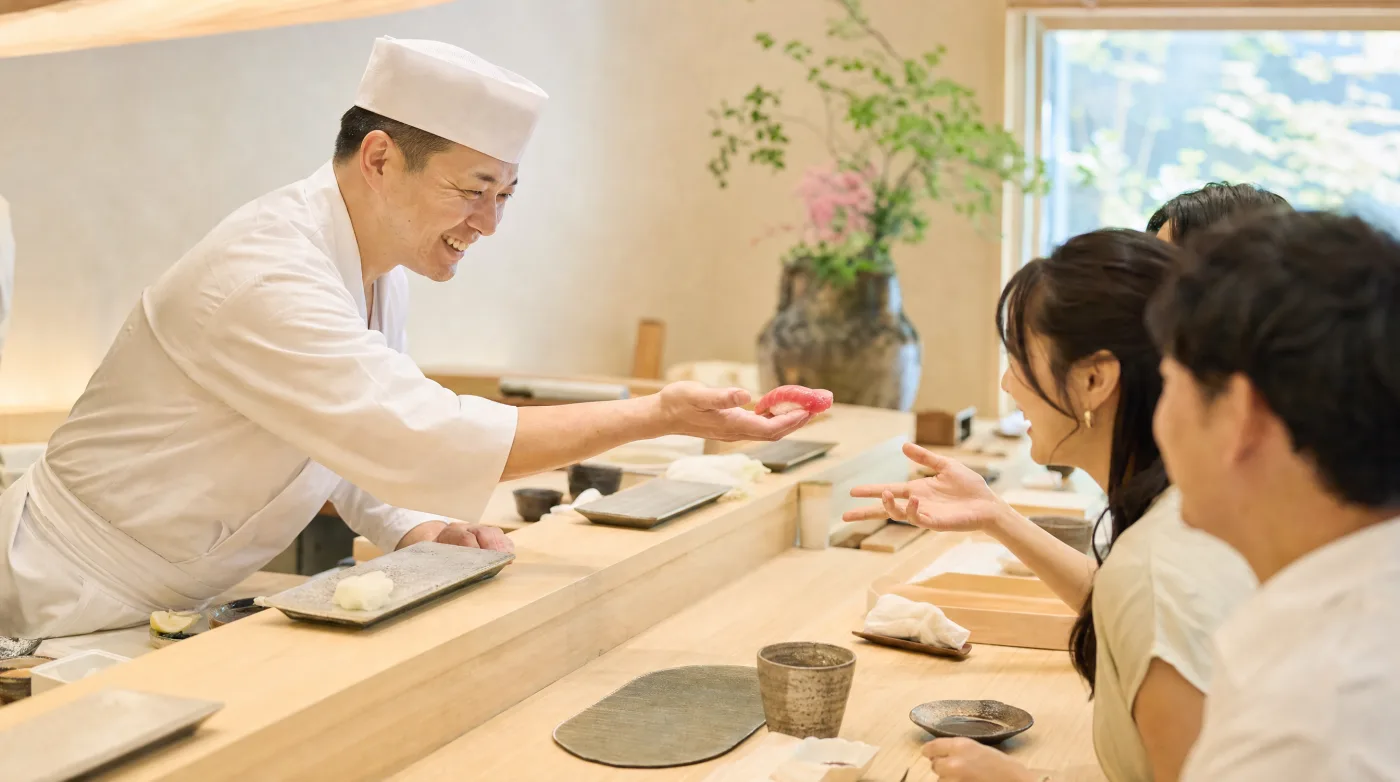
Counter seats are the point of an omakase. Book them rather than a table.
Sushi Juban Asok
Sushi Juban runs a small group of Bangkok counters under one chef-owner, and the Asok branch is the most accessible. The counter seats around 10, with set omakase menus that move from sashimi through nigiri in a single 75-minute sitting. Order the short omakase at lunch for a first visit; the dinner set adds an extra grilled course and an otsumami round. Two blocks from Asok BTS exit 3.
Sushi Juban Takumi Thonglor
The Takumi room on Thonglor is the chef's-counter sibling: smaller, longer, more ceremonial. A single seating of 8 guests works through 18 to 22 courses across two hours. The neta rotates with the Tsukiji market shipment, and the chef talks you through each piece in English on request. Book at least two weeks ahead.
Sushi Yorokobu
Sushi Yorokobu sits on Soi Sukhumvit 22, an Edomae-style counter with a tight 8-seat layout. The chef trained in Tokyo and runs the omakase as a single price-point menu that resets seasonally. Aged tuna lands as the centre of the run, with three cuts shown across three nigiri. Lunch is the easier booking; dinner takes one seating at 6 p.m. and a second at 8:30 p.m.
Kohaku Omakase
Kohaku is the omakase to lead with if it's your first Bangkok counter dinner. The price point sits below the top-tier rooms, and the chef builds a 16-course menu that moves through sashimi, two warm courses, and a closing nigiri run. The room is calm, the pacing is gentle, and the wine list carries a few well-priced sake by the glass. Worth the trip from across the river.
SUSHI SEKI
SUSHI SEKI is the larger-format sushi room on the list, seating around 30 across counter and tables. It works for a two-person dinner where one of you wants nigiri and the other wants a bento-style set. Lead with the chef's selection of six nigiri and the chawanmushi. Walk-in friendly on weeknights.
Isao
Isao has been on Sukhumvit Soi 31 since 2007 and is one of the original neighborhood sushi rooms that built the area's reputation. The menu spans creative rolls and classic nigiri, with a long list of small plates that work for a sharing-style dinner. Order the Crazy 5 roll on a first visit; the kitchen has been making it for nearly two decades. Family-friendly and walk-in friendly.
Yuna
Yuna is a small Sukhumvit counter that runs a single chef-led omakase at lunch and dinner. The room seats 8, the menu reads as 14 courses, and the price point lands in the mid-tier omakase bracket. Lead with the sake pairing; the kitchen pours from a tightly edited list of four bottles per seating.
Teppanyaki
Benihana at Grand Mercure
Benihana is the heritage teppanyaki experience: theatrical grill, full set menus, family-friendly. The Bangkok branch inside the Grand Mercure on Asok runs lunch and dinner seatings around the open grill, with the chef cooking in front of your table. Order the surf-and-turf set for a first visit. Built for a celebration dinner, a birthday, or a group of six to eight.
Ramen
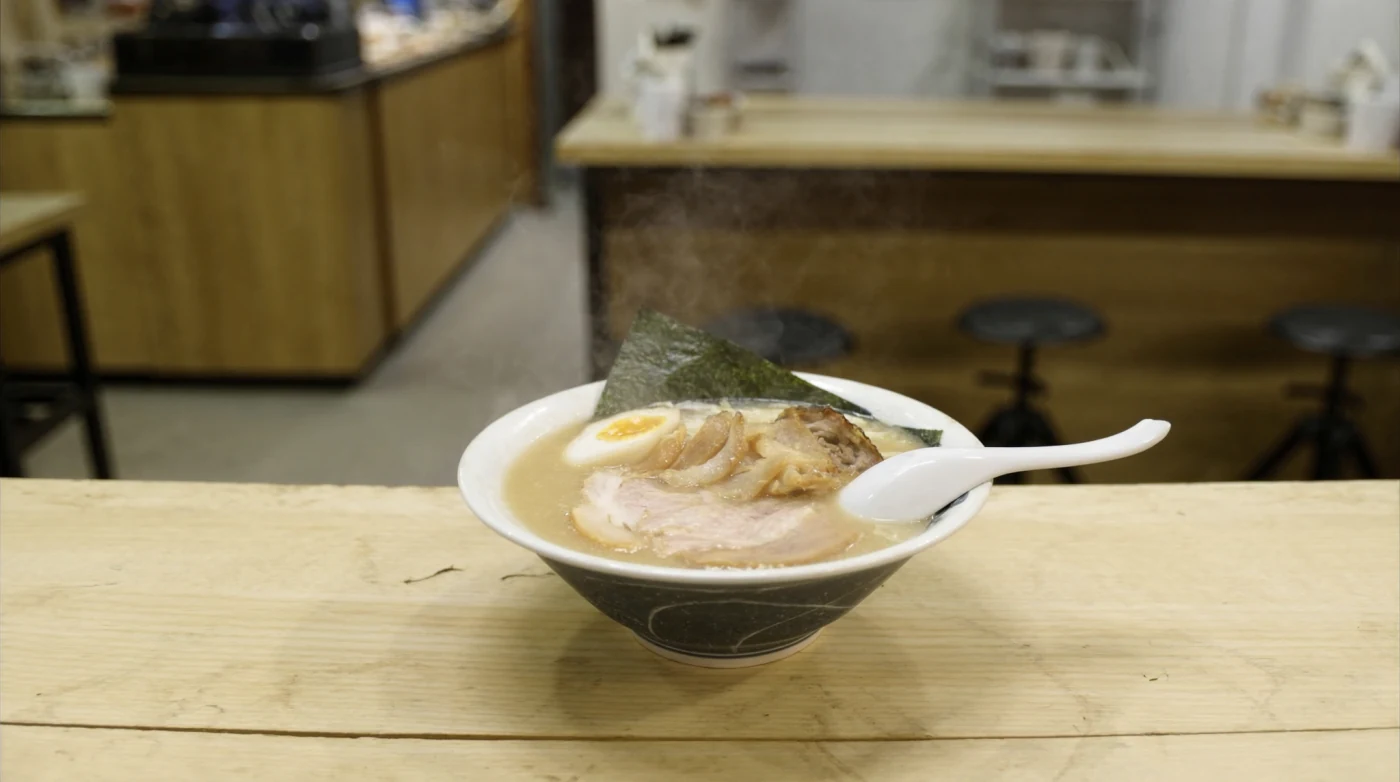
Ramen counters turn tables fast, so a short queue at 12.30pm usually clears in ten minutes.
BANKARA Ramen Sukhumvit 39
BANKARA is a Tokyo ramen import with multiple Asia branches, and the Sukhumvit 39 shop pulls the post-omakase ramen crowd on weeknights. The bowl to order is the kotteri tonkotsu with a soft egg, plus a side of gyoza. The shop seats around 30, walk-in only, and runs from late lunch through midnight. A short walk from Phrom Phong BTS exit 3.
Shichi Japanese Restaurant
Shichi sits in the mid-range tier of Bangkok's Japanese rooms: a full menu spanning sushi, sashimi, donburi, and a small ramen section. The kitchen does a thick tonkotsu and a lighter shoyu on the ramen side, and the donburi sets land within 10 minutes of ordering. Built for a weekday lunch when you want speed and reliability.
How to choose, and how to get there
For a first omakase counter, lead with Kohaku Omakase or Sushi Juban Asok. For a celebration dinner with theatre, Benihana or Teppen Sathorn. For a quiet two-hour wagyu dinner, Niku Sho. For a post-counter ramen run, BANKARA.
Most of the venues above sit within a 10-minute walk of a BTS station on the Sukhumvit line: Asok, Phrom Phong, Thonglor, or Ekkamai. Sathorn picks pair with Sala Daeng BTS or Chong Nonsi. Book counter omakase rooms 7 to 14 days ahead; yakiniku rooms 2 to 3 days ahead on weekends; ramen and teppanyaki rooms are mostly walk-in.
Eating Korean BBQ tomorrow? See our best Korean BBQ in Bangkok roundup. Indian? See best Indian restaurants in Bangkok. To pick a Sukhumvit station to base out of, see where to stay in Bangkok.
FAQ
How many Japanese restaurants are there in Bangkok? More than 6,000 Japanese restaurants operate across Bangkok. The density on Sukhumvit between Soi 31 and Soi 55 rivals neighborhoods in Osaka.
How far ahead should I book an omakase counter in Bangkok? Book counter omakase rooms 7 to 14 days ahead. Yakiniku rooms typically need 2 to 3 days ahead on weekends. Ramen and teppanyaki rooms are mostly walk-in.
Which Bangkok Japanese restaurant is best for a first omakase? Kohaku Omakase or Sushi Juban Asok. Kohaku sits below the top-tier rooms on price with a calm 16-course menu. Sushi Juban Asok runs a 75-minute set, two blocks from Asok BTS exit 3.
Where do most of these Bangkok Japanese restaurants sit on the BTS? Most sit within a 10-minute walk of a BTS station on the Sukhumvit line: Asok, Phrom Phong, Thonglor, or Ekkamai. Sathorn picks pair with Sala Daeng BTS or Chong Nonsi.
What is the best Bangkok Japanese restaurant for a celebration with theatre? Benihana at Grand Mercure on Asok for teppanyaki, or Teppen Sathorn for yakiniku. Benihana runs lunch and dinner seatings around the open grill with the chef cooking in front of your table, built for a celebration dinner or a group of six to eight.
→ Explore the full Japanese restaurant catalog on BangkokGotMe and start with the counter that matches tonight's mood.